Tallow Pine Tar Soap

Tallow Pine Tar Soap

Rated 5.00 out of 5 based on 2 customer ratings
(2 customer reviews)

$10.00 or Original price was: $10.00.Current price is: $9.50. / month

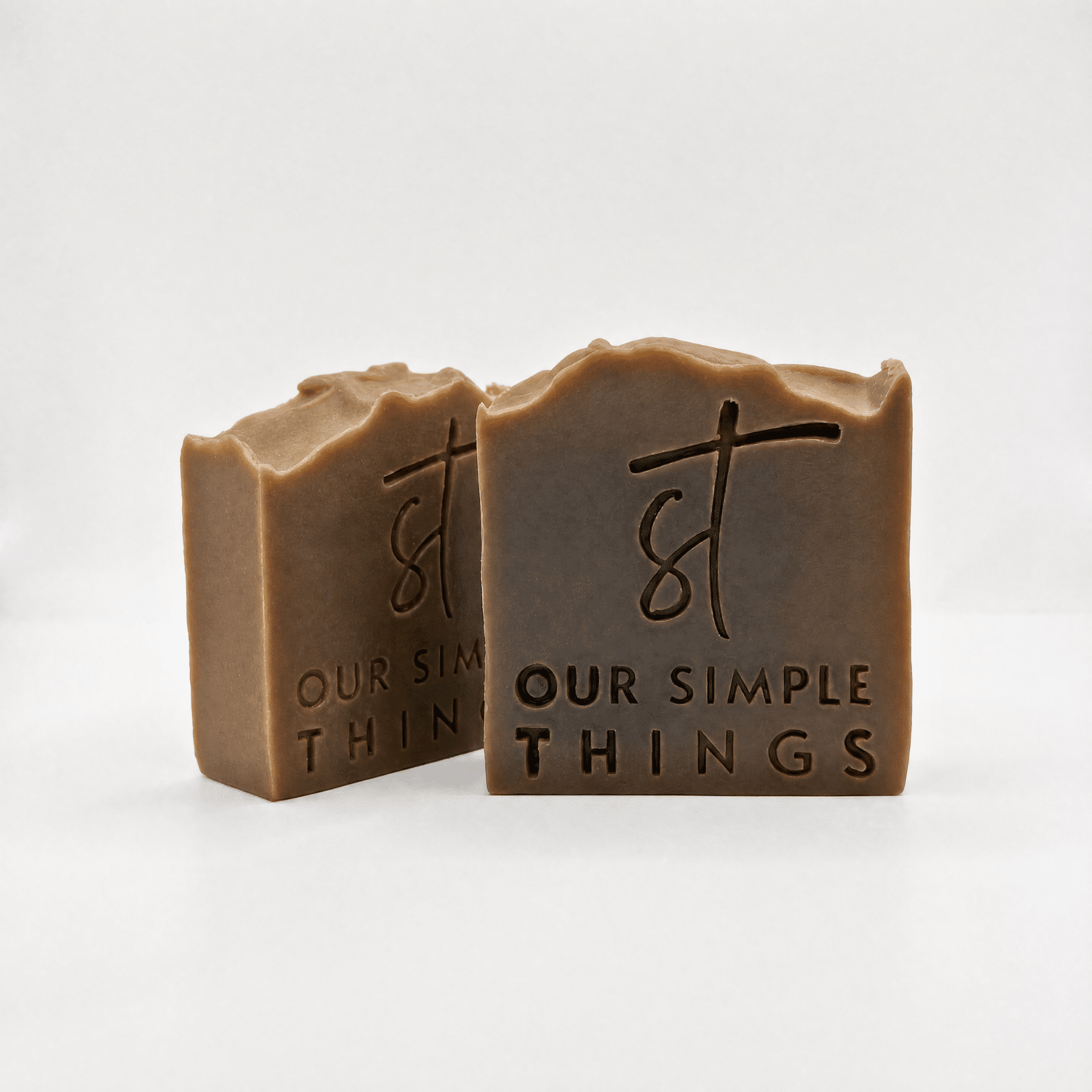
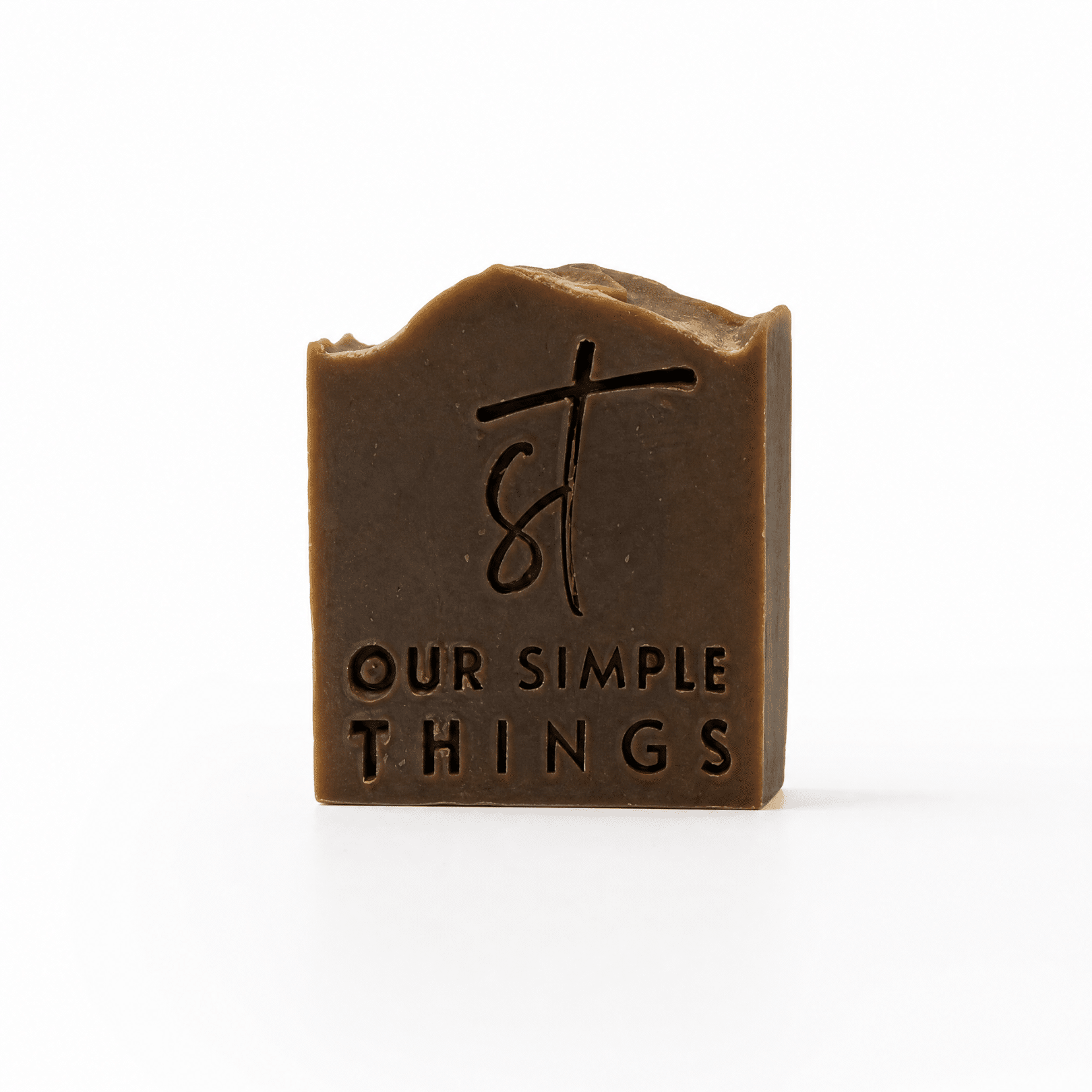
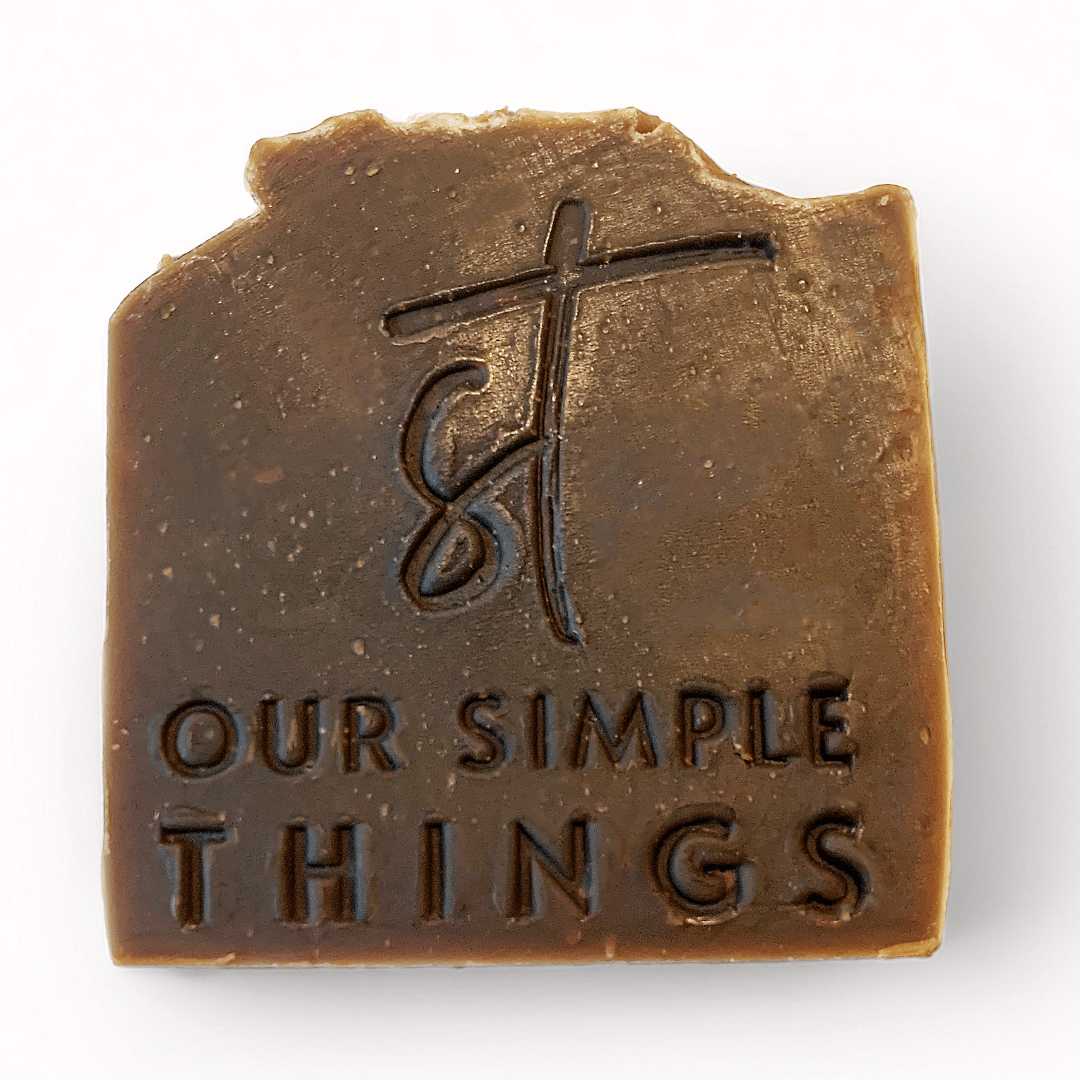
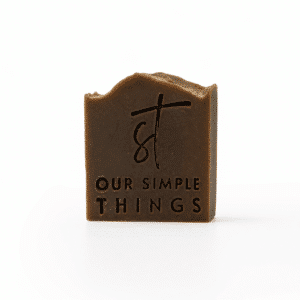
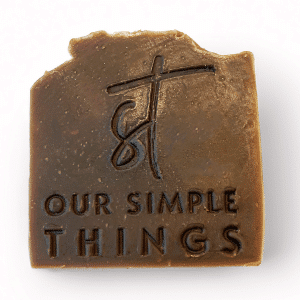
Tallow Pine Tar Soap is a smoky, old-fashioned bar made with grass-fed/finished beef tallow and high-quality pine tar. Pine tar has been used in traditional skin-care routines for generations, especially by people with rough, flaky, itchy, or problem-prone skin. This tallow-based soap is creamy, low-lather, essential oil-free, synthetic fragrance-free, coconut oil-free, and made for anyone who appreciates a truly traditional pine tar bar without extra fillers.

Availability: 24 in stock

Purchase & earn 10 points!
Subscribe & Save
Choose purchase type
- +

Customer notes

★★★★★

“This is coveted in my home! Teens love the results on their skin, and mom and dad love it as well. Soothes eczema so well!”

Faith Beneke
★★★★★

“This soap has changed my skin, got rid of my breakouts and redness in my skin. It feels smooth and doesn’t look irritated anymore.”

Cindy
Read all reviews

Best for

Traditional pine tar soap routinesSensitive skin routinesRough-feeling skinFlaky-feeling skinProblem-prone skin routinesEczema-prone skin searchesPsoriasis-prone skin searchesDry itchy skin searches
Cold-process soapNo essential oilsNo synthetic fragranceSmall-batch in Houston, TX

Pine tar soap is one of those old-fashioned products that people kept using for a reason.

Long before skincare shelves became crowded with complicated routines, pine tar was part of traditional skin care for people dealing with rough, flaky, itchy, irritated, or problem-prone skin. It has been used for generations in the context of eczema, dermatitis, psoriasis, fungal skin concerns, scalp buildup, and other stubborn skin issues. That traditional history is real, and there is modern research around pine tar that makes it even more interesting. At the same time, I want to be careful and honest: this soap is not a drug, not a medicated treatment, and not intended to treat eczema, rashes, athlete’s foot, ringworm, psoriasis, infections, itching, inflammation, or any medical skin condition.

This bar came out of real life for us. I had used pine tar soaps during pregnancy, especially when my skin felt completely overwhelmed with PUPPs rash, but I always wished I could simplify the formula. I wanted the pine tar, but I did not want a long list of plant oils, essential oils, synthetic fragrance, or extra ingredients that did not need to be there. Later, when our family reached for pine tar again for everyday skin situations, I realized this was one of those practical products we actually used at home and should probably offer to other people too.

The base is grass-fed/finished tallow, water, and sodium hydroxide used for saponification. Once soap is made properly, the tallow is transformed into tallow-derived fatty acid salts, with naturally formed glycerin remaining in the bar. That matters because soap science is different from balm science. This is not raw tallow sitting on the skin like a balm. It is a finished soap bar whose feel comes from tallow’s fatty acid profile, the cure, the soap structure, and the presence of pine tar.

Pine tar gives this bar its dark color, smoky scent, traditional character, and the reason people search for pine tar soap in the first place. Pine tar is chemically complex, with phenolic compounds, resin acids, and aromatic fractions that help explain its long history in skin-care use. Published dermatology literature discusses pine tar in the context of itchy, flaky, inflamed, and problem-prone skin, but this is still a rinse-off soap, not a medicated treatment. I use high-quality pine tar because it belongs in a traditional pine tar soap, not because I want to make drug claims from a cleansing bar.

The lather is low and creamy, not big and bubbly. We do not add coconut oil just to create foam, and we do not add essential oils to cover the natural pine tar smell. The scent is smoky, earthy, tarry, and old-fashioned. It is not for everyone, but for the people who love pine tar, that is exactly the point.

  • Made with only four ingredients: grass-fed/finished beef tallow, cosmetic-grade pine tar, water, and sodium hydroxide used for saponification
  • Uses cosmetic-grade pine tar for its smoky scent, dark color, traditional topical history, and old-fashioned soap character
  • Built on a tallow soap base instead of a long blend of plant oils
  • Made without essential oils, synthetic fragrance, fragrance oil, or hidden scent blends
  • Coconut oil-free for people who find coconut-heavy soaps too stripping
  • Low-lather and creamy rather than big, bubbly, and overly cleansing
  • Includes naturally formed glycerin from the soapmaking process
  • Designed for people who appreciate traditional pine tar soap but want a cleaner, simpler ingredient list
  • Made in small batches in Houston, Texas

For Hands and Body

Lather the bar with warm water using your hands, a washcloth, or a soap saver bag. Wash gently, then rinse well. The lather is naturally creamy and low because this is a tallow-based pine tar soap, not a coconut-oil-heavy bubble bar.

For Face or Beard Area

If using on the face or beard area, start slowly and patch test first. Avoid the eyes, mucous membranes, freshly shaved skin, and broken or irritated areas. Follow with Radiance Facial Oil, Wildwood Salve, Rosebud Tallow Balm, or Awaken Oil if skin feels dry after cleansing.

For Problem-Prone Skin Routines

Use as a simple rinse-off cleansing bar, not as a treatment. If you are dealing with eczema, psoriasis, ringworm, athlete’s foot, jock itch, infection, spreading rash, severe itching, or painful skin, check with a qualified healthcare professional.

Make the Bar Last Longer

Keep the bar on a draining soap dish between uses. Pine tar soap can soften if it sits in water, so letting it dry fully will help it last longer.

Introduce Slowly

If your skin is very sensitive, reactive, acne-prone, or easily irritated, use the soap on a small area first before switching your full routine.

  • Grass-Fed/Finished Beef Tallow: In a balm, tallow remains as tallow. In soap, tallow goes through saponification, so the finished bar is not raw tallow sitting on the skin. The triglycerides in the tallow react with sodium hydroxide and become sodium salts of tallow fatty acids, along with naturally formed glycerin. For tallow soap, the most honest science is the fatty acid profile and the finished bar structure: stearic and palmitic acid soaps help create firmness and a creamy feel, while oleic acid helps round out the way the bar feels during washing.
  • High-Quality Pine Tar: Pine tar is the soul of this bar. It is a dark, smoky, resinous material traditionally made from pine wood and long used in skin-care and soapmaking. Pine tar contains a complex mixture of phenolic compounds, resin acids, aromatic fractions, and tarry constituents that help explain its traditional use for rough, flaky, itchy, and problem-prone skin. In this soap, pine tar gives the bar its smoky scent, dark color, and old-fashioned character. Because this is a rinse-off soap, I do not treat pine tar like a leave-on drug ingredient or claim it treats skin disease.
  • Tallow-Derived Fatty Acid Salts: After saponification, the finished soap contains tallow-derived fatty acid salts, often described as sodium tallowate. These are what create the actual cleansing bar. The fatty acid profile of tallow helps make a firm, long-lasting soap with a denser, creamier lather than many big-bubble formulas.
  • Naturally Formed Glycerin: Glycerin is naturally created during the saponification process. In handmade cold-processed soap, that glycerin remains in the bar rather than being removed the way it often is in large-scale commercial soap production. Glycerin contributes to the feel of the finished bar, but this is still a rinse-off cleanser rather than a leave-on moisturizer.
  • Water: Water is used to dissolve the sodium hydroxide and allow the soapmaking reaction to happen. During curing, excess water evaporates, helping the bar become harder and longer-lasting.
  • Sodium Hydroxide: Sodium hydroxide, also known as lye, is required to make true soap. It reacts with the tallow during saponification and is consumed in the process when the soap is properly formulated and cured. It is not added as an active skin ingredient, and the finished bar should not contain raw lye.
  • What Is Not Added: This bar contains no essential oils, synthetic fragrance, fragrance oil, coconut oil, plant oil blends, colorants, clays, exfoliants, or filler oils. The strong scent comes from pine tar itself, not perfume or masking fragrance.

Full ingredient sourcing and research available here.

Scent Note

Tallow Pine Tar Soap has a strong smoky, earthy, tarry scent from the pine tar itself. It does not contain essential oils, synthetic fragrance, fragrance oil, or hidden scent blends. If you love old-fashioned pine tar soap, you will probably love the smell. If you prefer light or floral products, this may not be your bar.

Color Note

Pine tar gives this soap its naturally dark color. The shade may vary slightly from batch to batch because pine tar is a real traditional material, not a synthetic colorant.

Lather Note

This is a creamy, low-lather soap. It will not bubble like a coconut-oil-heavy bar because it is built around tallow and pine tar.

Saponification Note

Sodium hydroxide is used to make real soap. In a properly made and cured bar, the lye is consumed during saponification and is not present as raw lye in the finished soap.

Pine Tar Note

Pine tar has a long history of traditional use for stubborn skin concerns, and modern research has explored pine tar in dermatology contexts. This soap is still a rinse-off cleanser, not a medicated treatment or OTC drug.

Skin Feel Note

Soap is a rinse-off cleanser, not a leave-on moisturizer. If your skin tends to feel dry after washing, follow with a balm, salve, or oil while the skin is still slightly damp.

Patch Test

Patch test before regular use, especially if your skin is sensitive, reactive, acne-prone, eczema-prone, or easily irritated. Pine tar is traditional and useful, but it is also a strong material and may not suit everyone.

Medical Note

Tallow Pine Tar Soap is not intended to diagnose, treat, cure, relieve, or prevent eczema, psoriasis, acne, rashes, ringworm, athlete’s foot, jock itch, fungal concerns, infections, itching, inflammation, wounds, or any medical skin condition. For persistent, painful, spreading, infected, or recurring skin concerns, check with a qualified healthcare professional.

Shelf Life

Best used within 12 months for the freshest experience. Store unused bars in a cool, dry place with airflow.

What is Tallow Pine Tar Soap made of?

Tallow Pine Tar Soap is made with grass-fed/finished beef tallow, high-quality pine tar, water, and sodium hydroxide used for saponification.

What is pine tar soap traditionally used for?

Pine tar soap has a long traditional history in routines for rough, flaky, itchy, and problem-prone skin. People often search for pine tar soap in relation to eczema, psoriasis, dermatitis, rashes, fungal concerns, athlete’s foot, scalp buildup, and stubborn skin discomfort. Our bar honors that traditional use, but it is not a drug or medical treatment.

Does Tallow Pine Tar Soap treat eczema?

No. Tallow Pine Tar Soap is not intended to treat eczema, flares, itching, inflammation, rash, or any medical skin condition. Pine tar has a long history of traditional use for eczema-prone skin routines, and that is why many people search for it, but this bar is sold as a rinse-off cleansing soap, not an OTC eczema treatment.

Can I use pine tar soap for psoriasis-prone skin?

Many people search for pine tar soap because of its traditional use in psoriasis-prone routines, but this soap is not intended to treat psoriasis, plaques, scaling, inflammation, or any medical condition. It is a traditional cleansing bar for people who want simple pine tar soap without added fragrance or essential oils.

Does this soap help with athlete’s foot, ringworm, or fungal skin concerns?

No treatment claim is being made. Pine tar has traditional and research interest around microbial skin concerns, but Tallow Pine Tar Soap is not an antifungal drug and is not intended to treat athlete’s foot, ringworm, jock itch, infection, or any fungal condition. For suspected fungal concerns, use appropriate medical care.

Why does this soap smell smoky?

The smoky, earthy, tarry scent comes naturally from pine tar. We do not add essential oils, synthetic fragrance, fragrance oil, or hidden scent blends to cover or change it.

Is Tallow Pine Tar Soap unscented?

It has no added fragrance, but it is not scentless. Pine tar has a strong natural smoky scent. A better description is “fragrance-free” or “no added scent,” not scent-free.

Does this soap contain essential oils?

No. Tallow Pine Tar Soap contains no essential oils. The scent comes from the pine tar itself.

Is this soap coconut oil-free?

Yes. This bar is made without coconut oil. Coconut oil can create big bubbles, but some people find coconut-heavy soaps too stripping. Tallow Pine Tar Soap has a creamier, lower-lather feel.

Is this soap plant oil-free?

Yes. The soap base is built around grass-fed/finished beef tallow rather than a blend of plant oils. Pine tar is included for its traditional soap character, but there are no added plant oils.

What survives saponification in pine tar soap?

The tallow does not remain unchanged. During saponification, tallow triglycerides react with sodium hydroxide and become sodium salts of tallow fatty acids, along with naturally formed glycerin. Pine tar still gives the finished bar its dark color, smoky scent, resinous character, and traditional soap identity, but I avoid claiming that a rinse-off soap behaves like a leave-on medical treatment.

Can I use Tallow Pine Tar Soap on my face?

Some people use pine tar soap on the face, but facial skin can be more sensitive to soap and pine tar. Patch test first, avoid the eyes, and follow with Radiance Facial Oil or a small amount of balm if your skin feels dry afterward.

Can I use this soap on my scalp or beard?

Some people like pine tar soap for scalp or beard-area cleansing because of its traditional use and smoky character. Avoid the eyes, rinse thoroughly, and do not use on broken, infected, or actively irritated skin. Follow with Awaken Oil, Wildwood Salve, or another leave-on product if the hair or skin feels dry.

Can children use Tallow Pine Tar Soap?

Use caution with children. Pine tar has a strong scent and may not be the best choice for every child’s skin. Use adult supervision, avoid the eyes and mouth, do not use on broken or irritated skin, and ask a healthcare professional if your child has eczema, rashes, infection, or a diagnosed skin condition.

Does this soap contain lye?

Sodium hydroxide, also called lye, is required to make real soap. In a properly made and cured bar, the lye is consumed during saponification and is not present as raw lye in the finished soap.

Why is the lather low?

This bar is made with tallow and pine tar, not coconut oil. Coconut oil is often used in handmade soap to create big bubbles, but this bar was formulated for a denser, creamier, lower-lather wash.

How do I make the bar last longer?

Keep the bar dry between uses. Use a draining soap dish or soap saver bag and avoid letting the soap sit in standing water.

  • Wildwood Salve for a richer evergreen salve after washing hands, body, or beard area.
  • Grounded Tallow Balm — made with magnesium and pine resin to calm overstimulated or uncomfortable skin
  • Loofah or Soap Saver Bag — helps build a richer lather with low-lather formulas like this one
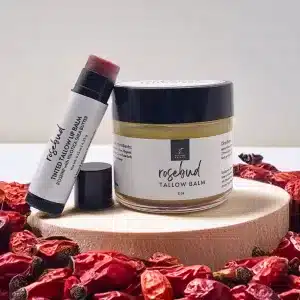
  • Rosebud Tallow Balm for a softer balm step after cleansing dry-feeling or delicate skin.
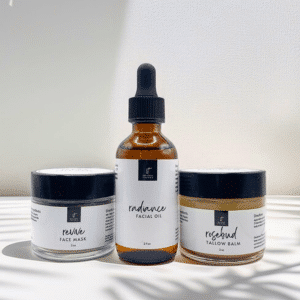
  • Radiance Facial Oil for a lightweight facial oil step after cleansing, especially when skin feels dry or dull-looking.
  • Awaken Oil for a lightweight hair, scalp, face, beard, or body oil after showering.

““You will be like a well-watered garden, like a spring whose waters never fail.” — Isaiah 58:11 (NIV)”

Isaiah 58:11 NIV

Customer Reviews

2 reviews for Tallow Pine Tar Soap
5.0 Rating
1-2 of 2 reviews
  1. This is coveted in my home! Teens love the results on their skin, and mom and dad love it as well. Soothes eczema so well!

  2. This soap has changed my skin, got rid of my breakouts and redness in my skin. It feels smooth and doesn’t look irritated anymore.

Add a review
Tallow Pine Tar Soap Tallow Pine Tar Soap
Rating*
0/5
* Rating is required
Your review
* Review is required
Name
* Name is required
Add photos or video to your review
* Please tick the checkbox to proceed
* Please confirm that you are not a robot

Looking for pine tar soap for eczema-prone, itchy, flaky, or problem-prone skin?

Many people search for things like “pine tar soap for eczema,” “pine tar soap for itchy skin,” “pine tar soap for psoriasis,” “pine tar soap for rashes,” “pine tar soap for athlete’s foot,” “pine tar soap for fungal skin,” “traditional pine tar soap,” or “tallow pine tar soap” because pine tar has a long history of traditional use for stubborn skin concerns.

That history matters, and I do not want to erase it. Pine tar has been discussed in dermatology literature for its long use in the context of eczema, psoriasis, dermatitis, itching, dry flaky skin, and microbial skin concerns. It is one of those ingredients that sits at the intersection of ancestral use and modern curiosity.

But here is the honest line: our Tallow Pine Tar Soap is not a drug, not an OTC medicated soap, and not intended to diagnose, treat, cure, relieve, or prevent eczema, psoriasis, acne, rashes, ringworm, athlete’s foot, jock itch, infection, itching, inflammation, or any medical skin condition. It is a rinse-off soap made for cleansing, sensitive skin routines, and people who want a simple, old-fashioned pine tar bar without essential oils, synthetic fragrance, coconut oil, or extra fillers.

Scroll to Top
0