
Barrier-aware, balanced care for acne-prone and congestion-prone skin
Acne-Prone Skin
Acne-prone skin exists on a wide spectrum. For some, it shows up as occasional pimples or clogged pores. For others, it may involve persistent breakouts, blackheads, whiteheads, inflammatory acne, or deeper cystic patterns. Acne is common and human. The goal is not perfection, but balance. Thoughtful skincare can help support the skin barrier, regulate excess oil, reduce surface congestion, and create conditions that make breakouts less frequent and easier to recover from.
WHAT ACNE-PRONE SKIN CAN LOOK LIKE
Acne-prone skin can present in different ways, including blackheads, whiteheads, clogged pores, small bumps, inflammatory pimples, or deeper cyst-like breakouts.
Some people experience acne primarily on the face, while others notice it on the jawline, chin, chest, back, shoulders, or scalp.
Acne patterns can change over time and may be influenced by age, hormones, stress, environment, and skincare habits.
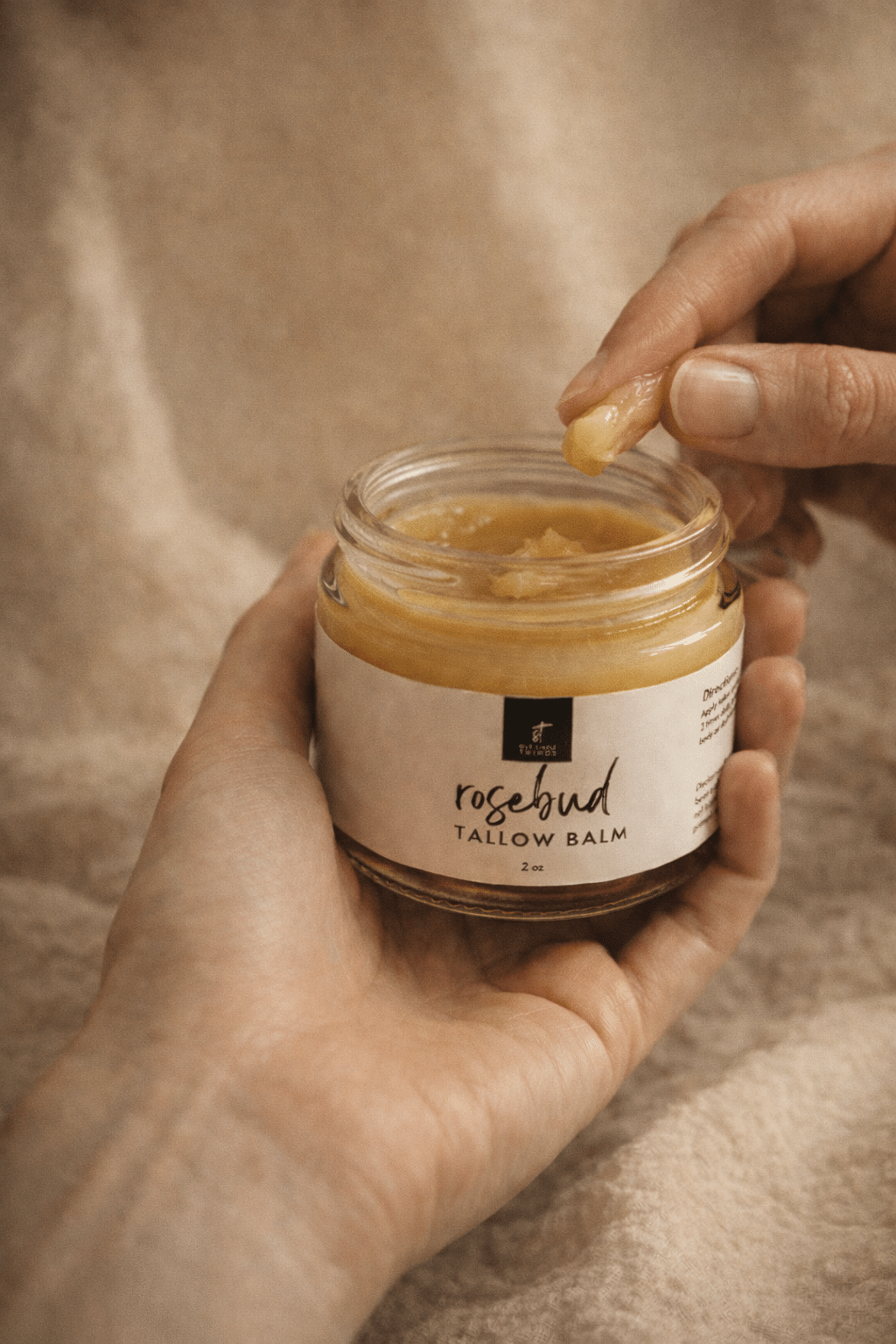
DIFFERENT TYPES OF ACNE & COMMON PATTERNS
Clogged pore and congestion-type acne is often associated with buildup of oil, dead skin cells, and debris within pores.
Inflammatory acne involves redness, swelling, and tenderness around clogged follicles.
Cystic or deeper acne patterns are often associated with inflammation occurring deeper in the follicle and may be influenced by hormonal shifts.
While these patterns are described separately, many people experience a combination.
WHY ACNE-PRONE SKIN DEVELOPS
Acne-prone skin is influenced by a combination of oil production, pore congestion, inflammation, microbial balance, and barrier function.
Certain acne patterns are associated with bacterial overgrowth within clogged follicles, while others are linked to yeast-driven (often called fungal) imbalance at the skin surface. Both scenarios can be worsened when the barrier is compromised.
Common external contributors include harsh or stripping cleansers, over-exfoliation, frequent product switching, heavy occlusive buildup, synthetic fragrance, essential oil blends, and products that disrupt the skin barrier.
Internal factors such as stress, hormonal shifts, gut health, nutrient status, and blood sugar balance may also influence breakout patterns.
Skin often reflects what the body is navigating internally. Skincare cannot resolve internal root causes, but it can support the skin barrier, reduce surface congestion, and minimize additional irritation.
THE ROLE OF THE SKIN BARRIER IN ACNE
A healthy skin barrier helps regulate water loss, maintain microbial balance, and protect against external irritants.
When the barrier is compromised, skin may overproduce oil, become inflamed more easily, and react poorly to products, which can worsen acne patterns.
Supporting the barrier often leads to calmer skin that is better able to regulate itself.
FAVORITES OF CUSTOMERS WITH ACNE-PRONE SKIN
All of our products are formulated to be skin supportive. The following products are commonly chosen by customers with acne-prone skin because of their balancing, gentle, and barrier-focused profiles.
Showing all 6 resultsSorted by popularity
-
Face Oil
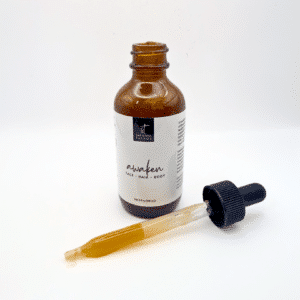
Awaken Oil
$25.00 — or Original price was: $25.00.$23.75Current price is: $23.75. / month Add to cart -
Soap
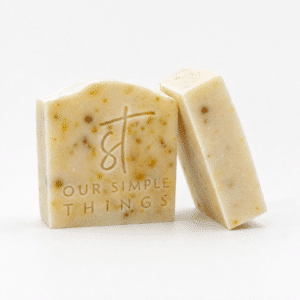
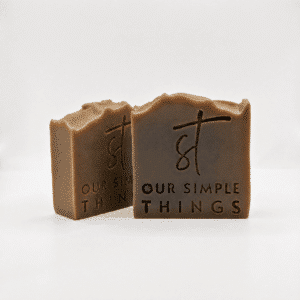
Calendula Honey Tallow Soap
$9.00 — or Original price was: $9.00.$8.55Current price is: $8.55. / month Add to cart -
Acne-Prone Skin Support
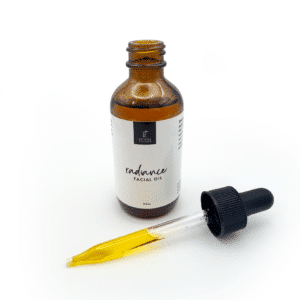
Radiance Face Oil
$22.00 — or Original price was: $22.00.$20.90Current price is: $20.90. / month Add to cart -
Acne-Prone Skin Support
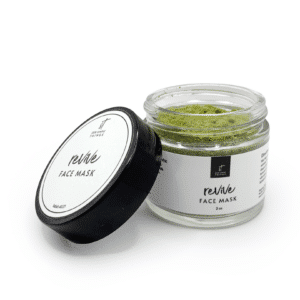
Revive Face Mask
Original price was: $20.00.$15.00Current price is: $15.00. — or Original price was: $15.00.$14.25Current price is: $14.25. / month Add to cart -
Soap
Tallow Pine Tar Soap
$10.00 — or Original price was: $10.00.$9.50Current price is: $9.50. / month Add to cart -
Acne-Prone Skin Support
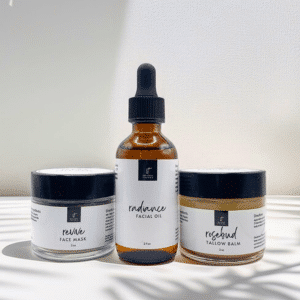
The Facial Trio: Radiance, Revive, and Rosebud
Original price was: $64.00.$55.00Current price is: $55.00. — or Original price was: $64.00.$55.00Current price is: $55.00. / month Add to cart
INGREDIENT APPROACH FOR ACNE-PRONE SKIN
Acne-prone skin often responds well to simple formulas with fewer ingredients and low irritation potential.
We prioritize ingredients that support barrier function, help keep pores clear, and do not rely on aggressive actives, including tallow, emu oil, gentle botanical infusions, and select plant oils known for compatibility with acne-prone skin.
We avoid synthetic fragrance, essential oil blends, and harsh surfactants to reduce unnecessary irritation.
REALISTIC EXPECTATIONS
Occasional pimples are normal. Even with a thoughtful routine, skin may still experience breakouts from time to time.
The goal is to create balance, not perfection.
Overly aggressive routines often make acne worse.
ACNE SCARRING & POST-BREAKOUT CARE
Picking, squeezing, and aggressive extraction increase the likelihood of lingering marks and texture changes.
Supporting healing with gentle cleansing, barrier-supportive moisturization, and minimal irritation can help skin recover more smoothly.
GENTLE NEXT STEPS
You can explore products formulated with these principles or take the Skin Quiz for gentle guidance based on your skin’s needs.